
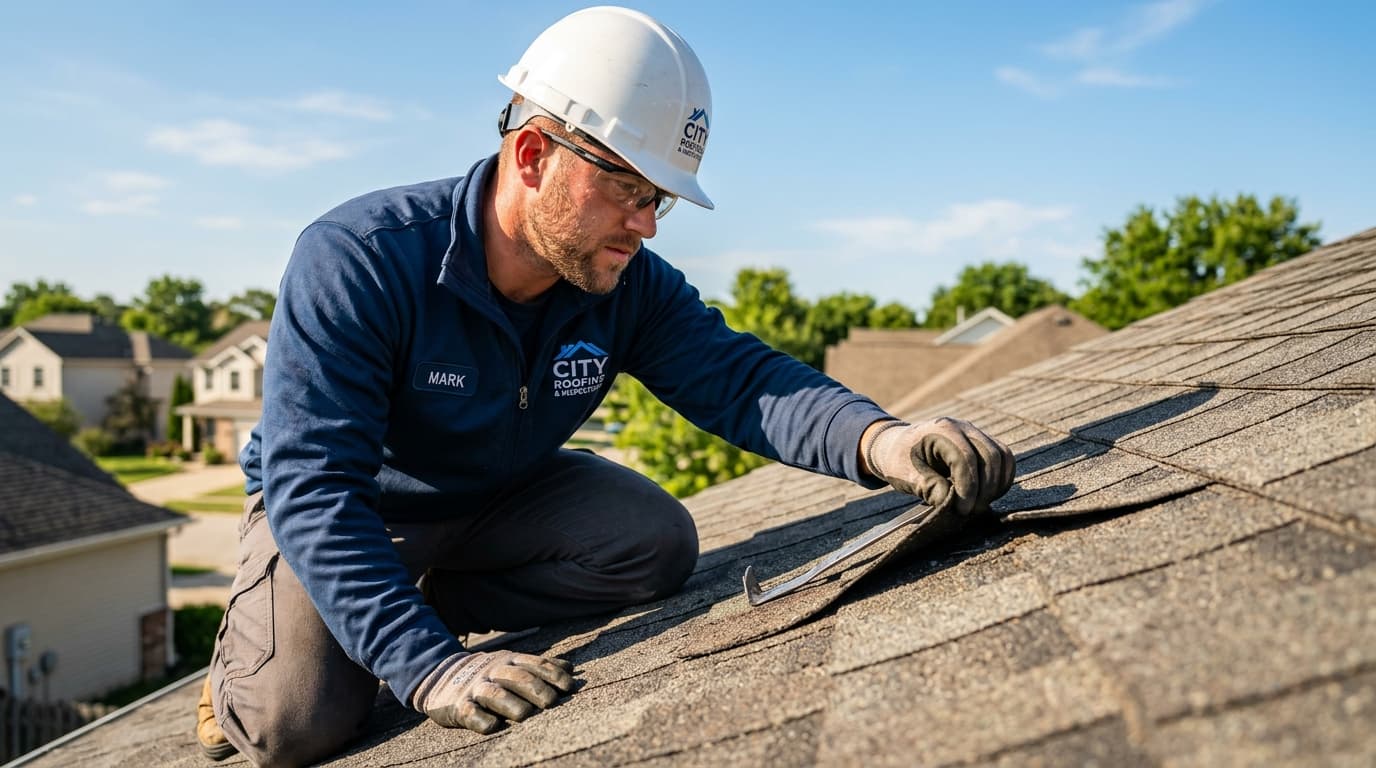
Replacing or repairing your roof is one of the most significant home improvement investments you will make. A quality roof protects your family, your belongings, and the structural integrity of your home for decades. However, hiring the wrong contractor can turn this major investment into a stressful, expensive headache.
To ensure you work with a qualified professional, here are five critical questions you must ask before signing any contract.
Never skip vetting: Always verify a contractor's credentials directly with your local licensing board. Never rely solely on verbal assurances.
1. Are you licensed, bonded, and insured in our state?
This is the absolute baseline requirement. A reputable roofing contractor should carry:
- General Liability Insurance: Protects your home and property if it's damaged during the project.
- Workers' Compensation Insurance: Protects you from liability if a worker is injured on your property.
- Licensing: Confirms the company has met state standards and possesses the necessary technical qualifications.
2. Can you provide local references from the past year?
A reliable roofer should have a list of satisfied clients in your area. Ask for at least three references from projects completed in the past 12 months. When you contact them, ask:
- Was the project completed on time?
- Did the crew clean up the work site daily?
- Were there any unexpected cost overruns?
3. What warranties do you offer on both materials and workmanship?
Roofing projects generally involve two separate warranties:
- Manufacturer's Warranty: Covers defects in the roofing materials (e.g., shingles), typically lasting 20 to 50 years.
- Workmanship Warranty: Covers the installer's labor and installation quality. A good contractor will back their work for at least 2 to 10 years, sometimes longer.
Need a qualified roofing contractor?
Compare licensed and insured professionals in your local area, check ratings, and request free quotes.
4. Will you remove the old roof or overlay a new layer?
Some contractors suggest overlaying new shingles on top of the old ones to save time and money. While this is sometimes permitted by building codes, it is rarely recommended. Removing the old shingles is the only way to inspect the underlying wood decking for rot, water damage, or structural weakness. Shingling over damaged decking guarantees premature roof failure.
5. What is the process for handling unexpected rot or damage?
Once a contractor tears off the old roof, they may find water-damaged decking that needs replacement. Ask:
- How much does decking replacement cost per sheet of plywood?
- How will they notify you of changes?
- Will they pause work or document it with photos?
Getting these terms in writing beforehand prevents surprises when the final invoice arrives. By asking these questions, you'll be well-prepared to make a smart hiring decision.