
It starts with a simple request.
You've accepted a quote, you're excited about your bathroom remodel, and the contractor sends you a message:
“Hey, if you pay me directly via Zelle, cash, or check, I can shave 5% off the total price since we avoid app processing fees.”
It sounds like a win-win. You save a few hundred dollars, and the contractor gets cash immediately. But in reality, this is the single most dangerous moment in any home improvement project.
By taking the payment off-platform, you are stepping outside the protective vault of Ratedeed’s milestone escrow. You are handing all your financial leverage to a third party with zero safety net.
Here is exactly why paying outside the app is a trap, how off-platform scams work, and how to protect your investment.
The Danger: Zero Escrow Protection
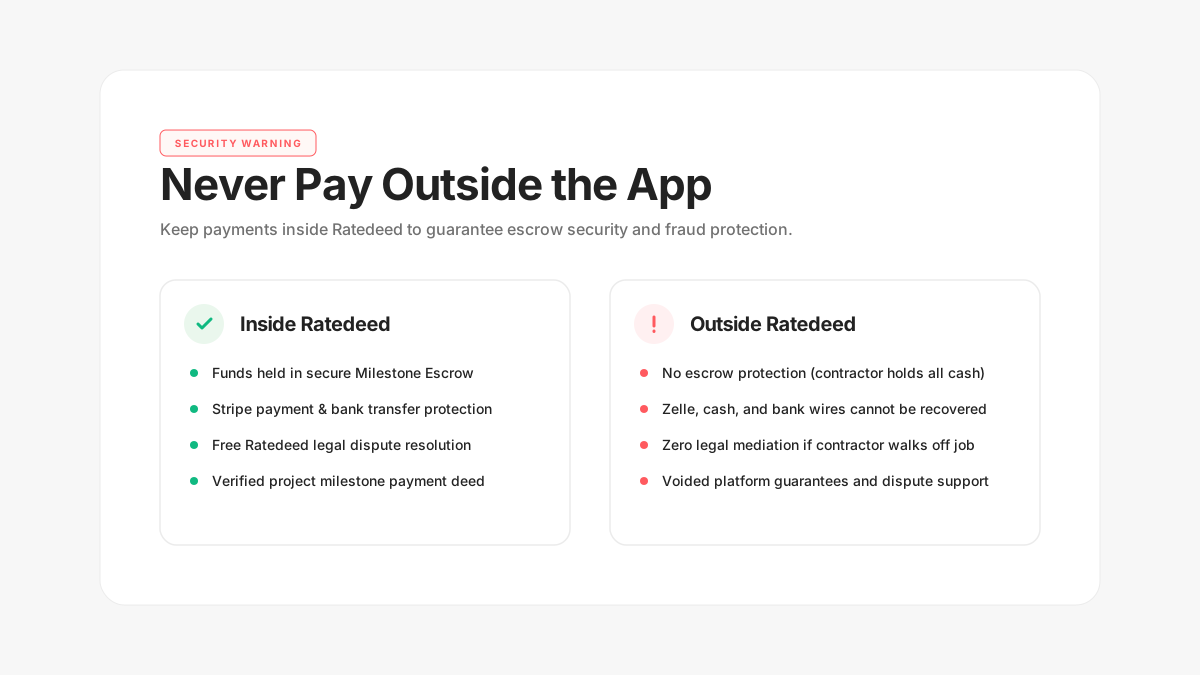
When you pay through Ratedeed, your money sits securely in a neutral Stripe-backed escrow account. The contractor can see the funds are committed, but they cannot withdraw them until you verify that the agreed-upon milestone (e.g., "Demolition Completed" or "Drywall Hung") is successfully done.
If you pay via Zelle, Venmo, check, or cash:
- The money is gone instantly: There is no holding period.
- No clawbacks: Unlike credit cards, bank wire transfers, Zelle, and cash cannot be reversed.
- Loss of leverage: Once the contractor has your cash, you have no way to force them to complete the work, show up on time, or fix mistakes.
The "Ghosting" Risk: Over 80% of home improvement scams occur when a contractor requests a cash deposit upfront to "buy materials" and then disappears, leaving the homeowner with an empty wallet and an untouched home.
Common Off-Platform Payment Scams
Scammers are creative, but their tactics usually fall into a few predictable patterns:
- The "Discount" Trap: The contractor offers a discount if you pay in cash or via Zelle to "avoid processing fees."
- The "Emergency Materials" Excuse: The contractor claims they need immediate cash for materials because their business account is "temporarily locked" or card machines are down.
- The "Paper Check" Scam: The contractor asks you to write a check to their personal name instead of their business name.
If a contractor uses any of these excuses to steer you away from Ratedeed's payment system, it is a red flag.
What You Void When You Pay Off-Platform
By bypassing Ratedeed payments, you automatically forfeit the platform features designed to protect you:
- No Dispute Resolution: If the contractor walks off the job or does poor work, Ratedeed's independent dispute team cannot help you retrieve your money.
- Voided Guarantees: Any project warranties or platform protection guarantees are voided the moment an off-platform payment occurs.
- No Legal/Verified History: Payments made outside the app are not recorded in your job history, which means you won't have a verified chain of milestone payments to show when you sell your home or file insurance claims.
What to Do If a Contractor Asks for Off-Platform Payment
If a contractor requests a direct payment:
- Say No: Firmly state that you only pay through Ratedeed to keep the project insured and protected by milestone escrow.
- Keep the Chat Log: Keep all communications inside the Ratedeed chat. Never move the conversation to external texting apps if they start discussing payments.
- Report Them: Use the flag/report button on their profile or contact Ratedeed Support. Contractors who repeatedly solicit off-platform payments are suspended to protect the community.
Protect your money, protect your home, and keep your payments secure.
Need a qualified general contractor contractor?
Compare licensed and insured professionals in your local area, check ratings, and request free quotes.