
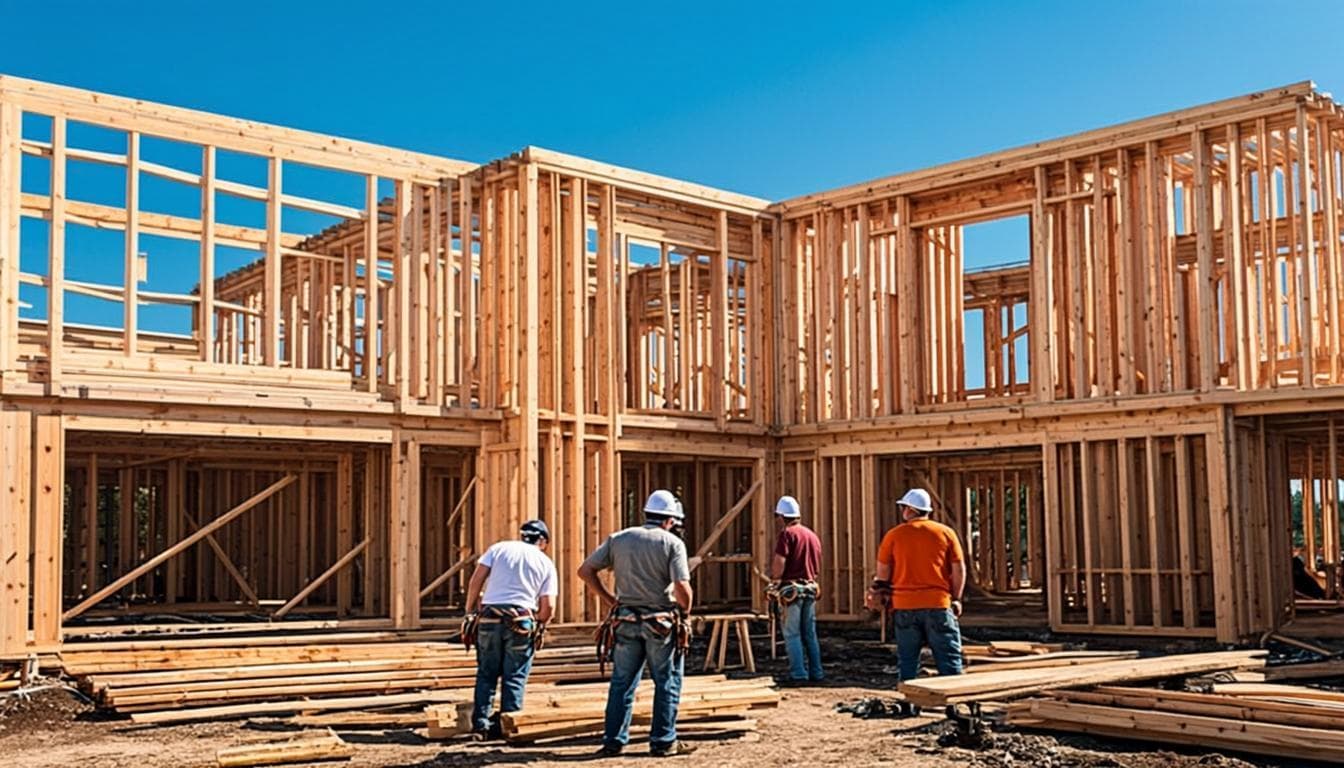
This article is for the contractors reading the blog. Homeowners worry about not getting the work done — contractors worry about not getting paid for the work they did. Both fears are real, and Ratedeed's escrow is designed to address both.
If you're a contractor, the question you actually care about is: "When does the money hit my bank account?" Here's the precise answer.
The short version
- You complete a milestone (or the whole job)
- You mark it complete in the dashboard
- The homeowner approves (or it auto-releases after 72 hours)
- Funds land in your pending payout balance
- You request a payout → Stripe transfer to your bank (1-2 business days)
From marking complete, the realistic timeline is 3-7 calendar days to money in your bank, assuming the homeowner approves promptly. Here's the detail.
Step 1: Mark the milestone complete
In the jobs dashboard, the milestone you just finished has a "Mark Complete" action. This is your declaration that the scope of this specific milestone is done. Photos and notes attached here are visible to the homeowner and the resolution team — get in the habit of uploading completion photos every time.
Pro tip: Photos at completion are your best friend in dispute cases. A milestone with 12 timestamped completion photos almost never loses a dispute. A milestone with zero photos depends entirely on the homeowner's memory.
Step 2: Homeowner approval (or 72-hour auto-release)
Once you mark the milestone complete, the homeowner gets a notification: "Contractor marked Milestone 2 complete. Tap to approve."
The homeowner has two responses:
- Approve & Release — funds move immediately to your pending payout balance
- Raise Dispute — funds freeze, resolution team reviews
There's a third path that protects you: auto-release on silence. If the homeowner doesn't respond within 72 hours (doesn't approve, doesn't dispute — just goes quiet), the funds release automatically. This is critical — without it, a homeowner could indefinitely freeze your money by simply not opening the app.
Don't wait passively. When you mark complete, send a quick chat message: "Milestone 2 complete, photos uploaded, ready for your review." Friendly nudge = faster approval. No nudge = homeowner may forget and you wait out the full 72 hours.
Step 3: Funds land in your pending payout balance
After release, the funds sit in your Ratedeed payout balance (visible in the payouts dashboard). This is your money, allocated, but not yet transferred to your bank account. You can request a payout at any amount at or below this balance.
Step 4: Request a payout
In the payouts page, you tap "Request Payout" and enter an amount. The payout runs through Stripe to your linked bank account. Most payouts arrive in:
- 1 business day for instant payout-eligible accounts (bank-dependent)
- 1-2 business days for standard ACH transfer
The first payout on a new account can take 3-5 business days as Stripe runs identity verification and bank confirmation. Every subsequent payout goes through faster.
What "release" really means — for the dispute-curious
A released milestone is no longer in escrow. If the homeowner later discovers a problem with that milestone's work (say, a tile that cracked a week after install), the question is no longer "release or refund" — it's a separate dispute on the released milestone. Released funds are gone from the escrow system but not from Ratedeed's oversight. Disputes on released milestones are reviewed case-by-case with the same evidence standard.
This is why quality at completion matters more than speed of completion. A milestone you marked complete too early is a milestone you'll have to defend.
When you can lose a dispute (be honest)
Reasons contractors lose milestone disputes:
- Milestone marked complete but the work isn't actually done (the most common)
- Photos submitted don't match the agreed scope
- Code or permit violations found by the homeowner's inspector
- Material substitution without documented homeowner agreement
Reasons contractors win disputes:
- Completion photos match scope, homeowner went quiet or changed mind
- Homeowner requested scope changes outside the milestone without agreeing to a change order
- Homeowner refused access (couldn't come back to finish because they locked the property)
- Original scope was met, "dissatisfaction" is style preference, not contract failure
| Feature | Ice Dams | Attic Condensation |
|---|---|---|
| Root Cause | Heat escaping attic melts snow on roof; meltwater refreezes at cold eaves. | Warm, humid house air leaks into attic and condenses on the cold roof deck. |
| Primary Location | Roof edges, eaves, gutters, and exterior wall top plates. | Underside of the roof decking, rafters, and throughout the attic insulation. |
| Key Visual Signs | Thick ridges of ice along the roofline; huge icicles; water pooling on the roof. | Frost or water droplets on roof decking; black mold/mildew; rusted nails; damp insulation. |
| Best Long-Term Fix | Add attic insulation, seal warm air leaks from the living area, and ensure proper eave/soffit ventilation. | Seal air leaks, ensure exhaust fans vent outside (not into attic), and balance attic ventilation. |
How payout timing compares to traditional contracting
| Method | Time to money |
|---|---|
| Direct invoice, homeowner pays by check | Days to weeks, often ghosted |
| Direct invoice, homeowner pays card | Days to weeks, chargeback risk |
| Credit card processor (Stripe direct) | 2-3 business days |
| Ratedeed escrow (post-release) | 3-7 calendar days end-to-end |
The escrow path is not the fastest path to money. It's the most reliable path. You always get paid for completed work, and the homeowner always pays for completed work. The trade-off is a few days of accountability, and most contractors find that trade-off very worth it after their first ghosted invoice.
Tips for faster payouts
- Mark milestones complete the day they're done, not the end of the week
- Send a chat message the same day with a one-line "ready for your review"
- Upload 5-10 completion photos every milestone — habit-forming
- Set your linked bank account up early so first-payout identity verification doesn't surprise you
- Don't agree to side-payment from homeowners — going outside the escrow removes your protection from later disputes
Need a qualified home improvement contractor?
Compare licensed and insured professionals in your local area, check ratings, and request free quotes.
If you complete the work, document the work, and mark it complete on time, you get paid. That's the system. The trust is built in.